EN 388 impact testing - what it measures
What does EN 388 test?
Under EN 388 impact testing, only one area is tested: the knuckles.
How is it tested?
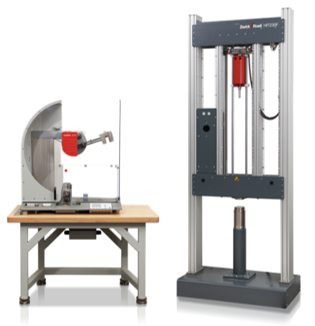
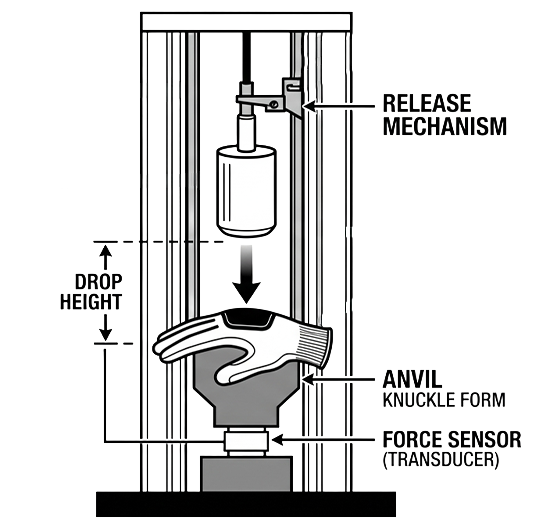
The protective material from the back of the hand (specifically the knuckle) is secured over a metal, domed anvil. A 2.5 kg flat-faced striker is dropped from a height that delivers exactly 5 Joules of force. A force sensor located beneath the anvil measures the peak force that passes through the glove.
How is it rated?
EN 388 impact is reported as:
- P = Pass
- F = Fail
- X = Not tested
A pass is achieved when the transmitted mean force is ≤ 7 kN with no single result > 9 kN.
Where do you find the score?
The impact result is shown in the 6th position under the EN 388 pictogram on the glove marking. Gloves that fail the test are marked with an "F", and untested gloves display an "X"
ANSI/ISEA 138 - what it measures and why it’s different
What does ANSI/ISEA 138 test?
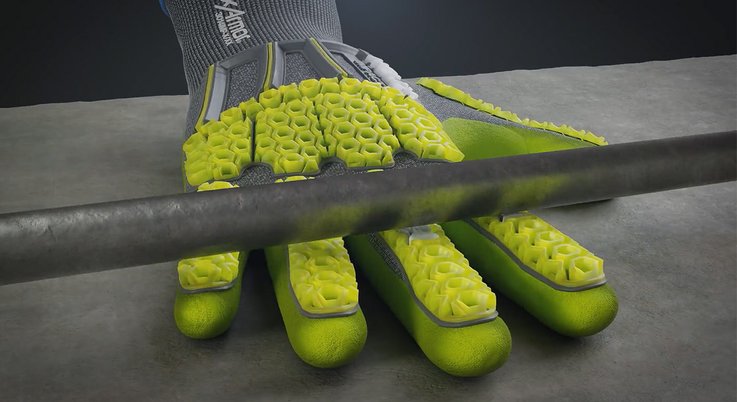
ANSI/ISEA 138 tests both knuckles and fingers/thumb, which is a key difference compared to EN 388. This broader coverage is designed to give more specific insight into protection in areas that are frequently exposed to impact and pinch hazards during work tasks.
How is it tested?
ANSI/ISEA 138 uses multiple drops across defined locations:
- Knuckles: 4 defined points across 2 gloves (8 tests)
- Fingers: 5 defined points across 2 gloves (10 tests)
How is it rated?
ANSI/ISEA 138 assigns a performance level:
Level 1 | 9 kN – 6.5 kN force transfer to the hand |
Level 2 | 6.5 kN – 4 kN force transfer to the hand |
Level 3 (highest) | < 4 kN force transfer to the hand |
or Fail | > 9 kN force transfer to the hand |
A key principle is: the lower the transmitted force, the higher the impact resistance (i.e., less force felt in the hand).
What if fingers and knuckles score differently?
If the knuckle and finger tests produce different results, the glove is assigned the lowest of the two as the overall impact performance level.
How to choose the right impact protection glove
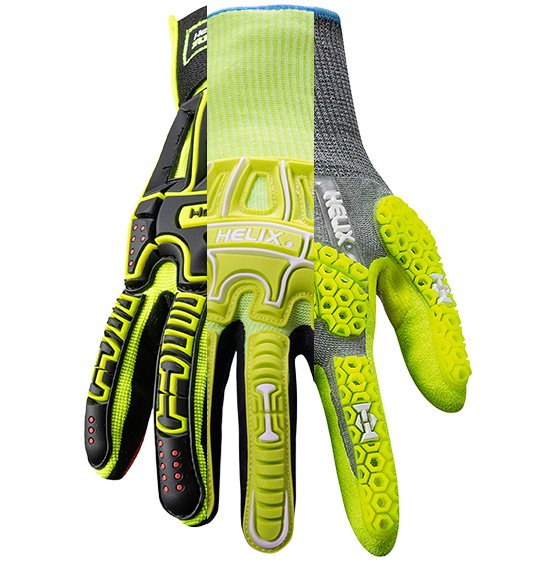
When selecting impact gloves, it helps to start with a simple question:
1) Where is the impact risk - knuckles only, or fingers too?
If your task involves pinch points (for example handling heavy materials, tools, pipework, or working close to fixed equipment), consider whether you need impact performance information for fingers as well as knuckles.
2) How severe is the risk?
Where ANSI/ISEA 138 ratings are available, use the Level 1–3 scale to match protection to hazard severity (higher level = lower transmitted force in testing).
3) Will the glove stay on the hand?
Protection only helps when it’s worn consistently - so comfort, dexterity and task suitability matter alongside the rating. Many workplaces face the practical challenge of balancing protection and usability to support compliance.
4) Is impact protection the only hazard?
Impact hazards often appear alongside other risks (cut, abrasion, tear, puncture). Use the full glove marking system and risk assessment to ensure the glove is suitable for the overall task profile.
Impact protection gloves from uvex
uvex works together with HexArmor to provide impact protective glove options for different applications.
Need support choosing the right glove?
If you’d like help interpreting glove markings or selecting impact protection for your task, contact the team or request a trial to find the most suitable solution for your workforce.
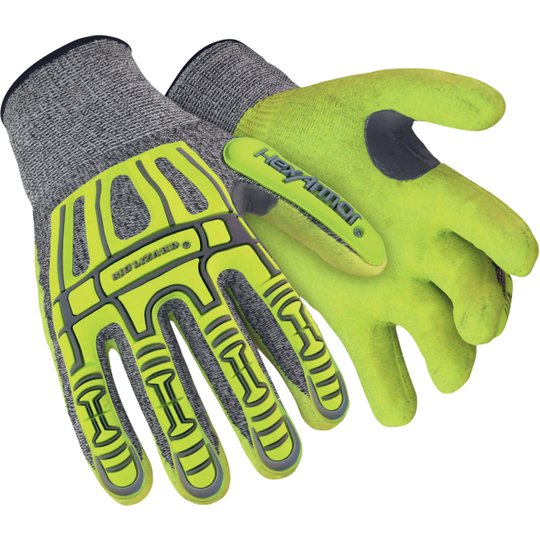
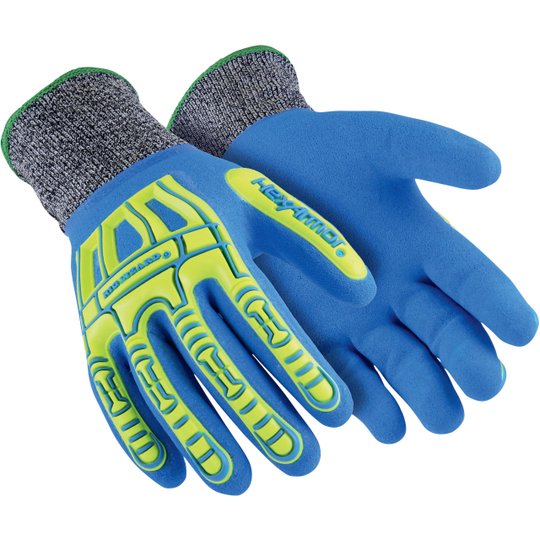
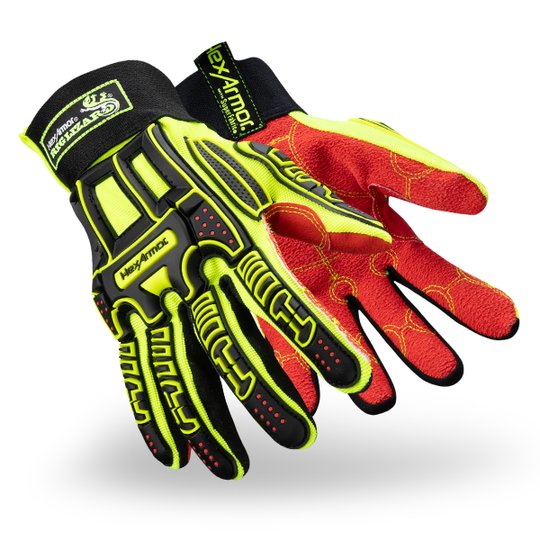
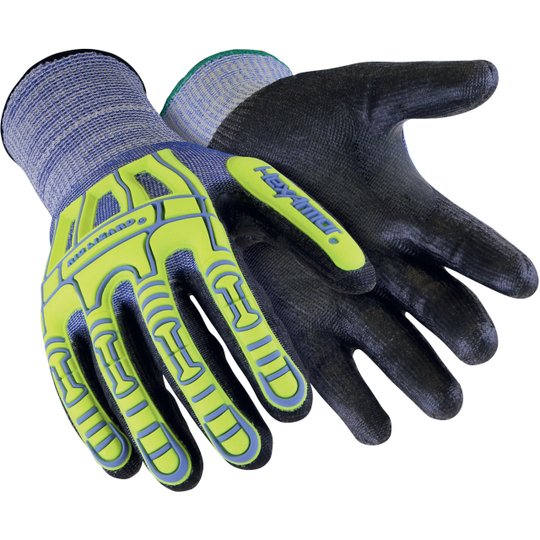
| Performance Ratings 4 X 4 4 EP |
| ANSI/ISEA 138 Impact: Fingers 1 |
| ANSI/ISEA 138 Impact: Knuckles 2 |
| Overall Impact Score Level 1 |
| Performance Ratings 4 X 4 2 CP |
| ANSI/ISEA 138 Impact: Fingers 1 |
| ANSI/ISEA 138 Impact: Knuckles 2 |
| Overall Impact Score Level 1 |
| Performance Ratings 4 X 4 3 CP |
| ANSI/ISEA 138 Impact: Fingers 2 |
| ANSI/ISEA 138 Impact: Knuckles 2 |
| Overall Impact Score Level 2 |
| Performance Ratings 4 X 4 4 FP |
| ANSI/ISEA 138 Impact: Fingers 2 |
| ANSI/ISEA 138 Impact: Knuckles 2 |
| Overall Impact Score Level 2 |
In summary, the key benefits of the ISEA 138 impact test over the EN 388 test:
- The test answers questions concerning finger pinch-point protection which is where most injuries occur
- ISEA 138 delivers exact information concerning all-round protection and not just to the knuckles
- It reassures wearers about how much protection they are receiving
- Allows HSE professionals to make informed decisions and select impact protection according to the level of impact risk
Download our useful guide (PDF)
Understanding puncture resistance
Preventing sharps injuries